Estate Planning Without the Law Degree
$17

Leases, deposits, and eviction realities
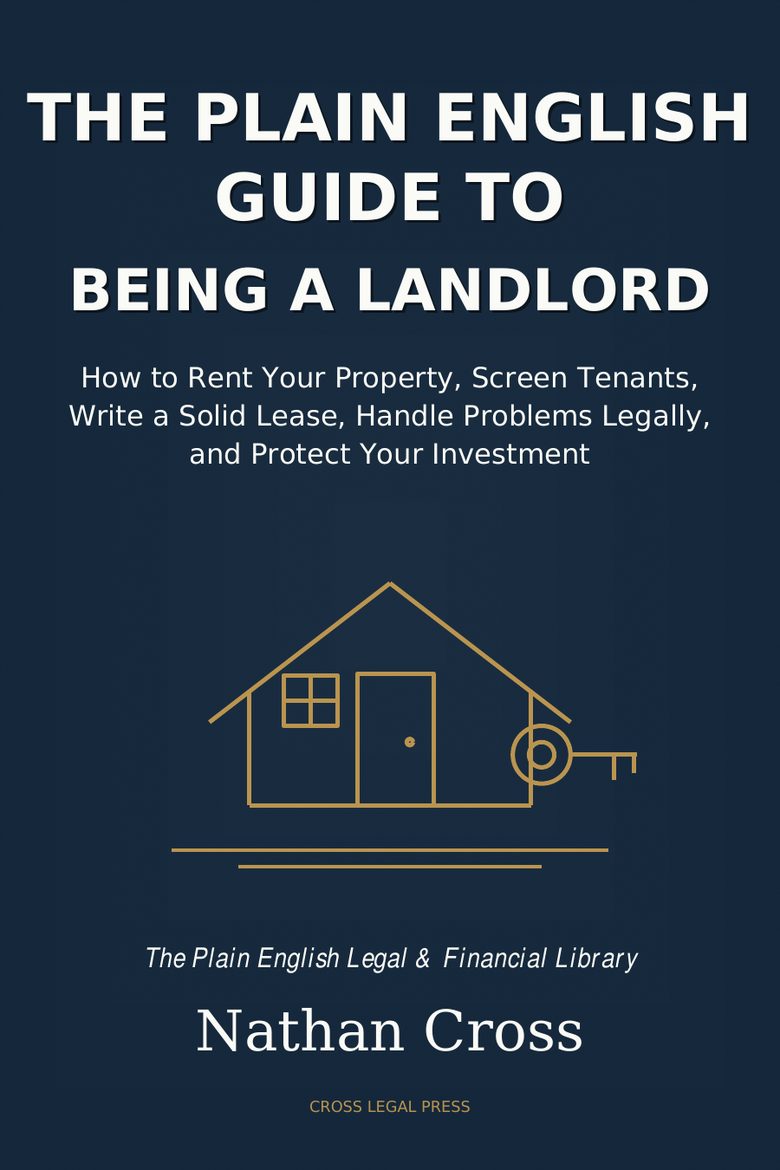
Renting out a property makes you a small business with legal obligations you did not sign up for. This guide walks through screening tenants without stepping into fair housing trouble, writing a lease clause people can follow, handling security deposits by the book, what habitability actually requires, how notice periods work, and why eviction is the last and most expensive tool in the box.
Inside the guide
Sample translation
Lessee shall indemnify, defend and hold harmless Lessor from and against any and all claims, demands, damages, losses and expenses, including reasonable attorneys' fees, arising out of Lessee's use of the Premises.
If someone gets hurt or sues because of something the tenant did, the tenant pays — including the lawyer bills.
How delivery works
Pay securely, and your private download link appears right away. Trouble? Email support@crosslegalpress.com.
Related reading
Landlording · 7 min read
Deposit limits, separate accounts, the move-out clock, normal wear and tear, and itemized deductions — the five security deposit mistakes that cost landlords the most money.
Landlording · 8 min read
Written screening criteria, fair housing rules, income and rental history checks, credit and background reports, and the adverse action notice — a landlord's plain-English screening process.